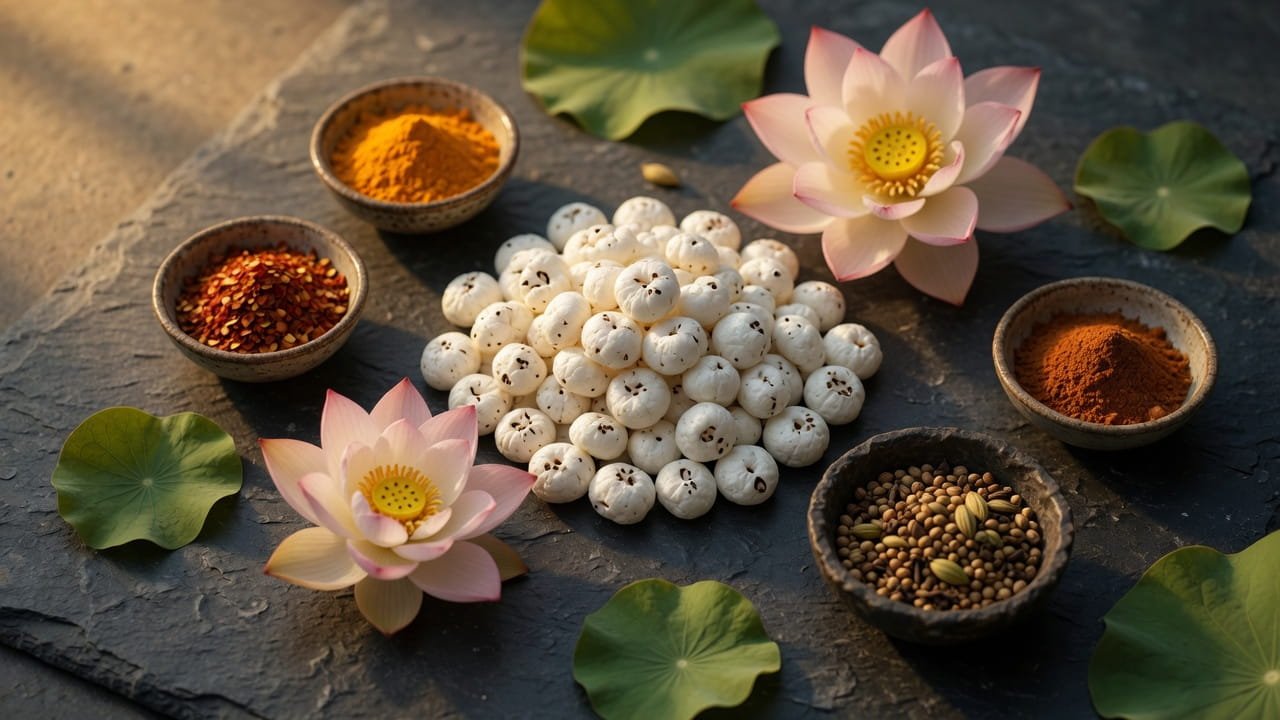
Makhana. You may know it as the crunchy snack your grandmother kept in a jar, or the roasted treat passed around at festivals. But here is what most people don’t know — makhana is one of the most nutrient-dense superfoods quietly sitting in your pantry, and modern nutrition science is only just catching up to what ancient Ayurveda already knew.
Also called fox nuts or lotus seeds, makhana comes from the Euryale ferox plant, cultivated mostly in the wetlands of Bihar, India. Low in calories, high in protein, rich in antioxidants — it checks almost every box. Whether you are trying to lose weight, improve gut health, or simply eat cleaner, makhana deserves a permanent spot in your diet.
Here are 10 science-backed benefits of makhana you need to know about.
1. Supports Healthy Weight Management
Makhana is naturally low in calories — a 30g serving contains roughly 100 calories — yet it keeps you full for longer. Its high fibre and protein content slows digestion, reduces unnecessary snacking, and helps manage appetite. If you are looking for a guilt-free snack that does not derail your goals, makhana is your answer.
2. Packed With Plant-Based Protein
For vegetarians and vegans, makhana is a valuable protein source. It contains all essential amino acids needed for muscle repair, tissue maintenance, and overall body function. Adding makhana to your daily routine is an easy and delicious way to boost your protein intake without relying on animal products.
3. Rich in Antioxidants That Fight Aging
Makhana is loaded with flavonoids and other powerful antioxidants that combat oxidative stress in the body. Oxidative stress accelerates aging, damages cells, and increases the risk of chronic disease. Regular consumption of makhana helps neutralise free radicals, keeping your skin youthful and your cells healthy from the inside out.
4. Excellent for Heart Health
Makhana is naturally low in sodium and saturated fat while being high in magnesium and potassium — a combination that actively supports cardiovascular health. These minerals help regulate blood pressure, improve circulation, and reduce the risk of heart disease. Swapping processed snacks with makhana is one of the simplest upgrades you can make for your heart.
5. Manages Blood Sugar Levels
Thanks to its low glycaemic index (GI), makhana does not cause rapid spikes in blood sugar. It releases energy slowly and steadily, making it an ideal snack for people with diabetes or those managing insulin resistance. The fibre content further helps regulate glucose absorption in the bloodstream.
6. Strengthens Bones and Joints
Makhana is a good source of calcium and phosphorus — two minerals essential for strong bones, healthy teeth, and flexible joints. For growing children, aging adults, or anyone at risk of osteoporosis, incorporating makhana into daily meals can make a meaningful difference in long-term bone density.
7. Improves Kidney and Urinary Health
In Ayurvedic medicine, makhana has long been used as a kidney tonic. It has natural astringent properties that support kidney function and help detoxify the body. Its anti-inflammatory compounds also soothe the urinary tract, making it beneficial for those prone to urinary discomfort.
8. Boosts Digestive Health
The dietary fibre in makhana promotes healthy bowel movements, reduces bloating, and supports a balanced gut microbiome. A healthy gut is linked to better immunity, improved mood, and reduced inflammation throughout the body. For anyone dealing with irregular digestion or constipation, makhana is a gentle and effective dietary addition.
9. Supports Brain Function and Reduces Stress
Makhana contains thiamine (Vitamin B1), which plays a direct role in nerve function and cognitive health. It also has mild adaptogenic properties — meaning it helps the body manage stress more effectively. Some studies suggest that the alkaloids in lotus seeds may even have a calming effect on the nervous system.
10. Naturally Gluten-Free and Allergen-Friendly
Makhana is completely gluten-free, making it a safe and nourishing option for people with celiac disease or gluten sensitivity. It is also free from common allergens, easy to digest, and suitable for all age groups — from toddlers to seniors.
How to Add Makhana to Your Diet
The easiest way is to dry-roast makhana in a pan with a little ghee and your choice of spices — salt, black pepper, or chaat masala. It also works beautifully in kheer, curries, trail mixes, or eaten plain as a snack.
Aim for a handful (about 20–30g) per day to enjoy its full benefits without overconsumption.
Final Thoughts
Makhana is not a trend. It is a time-tested superfood that has nourished people for centuries — and the science increasingly backs it up. Low in calories, high in nutrition, easy to eat, and endlessly versatile, it is one of the simplest upgrades you can make to your daily diet.
Your body will thank you for it.